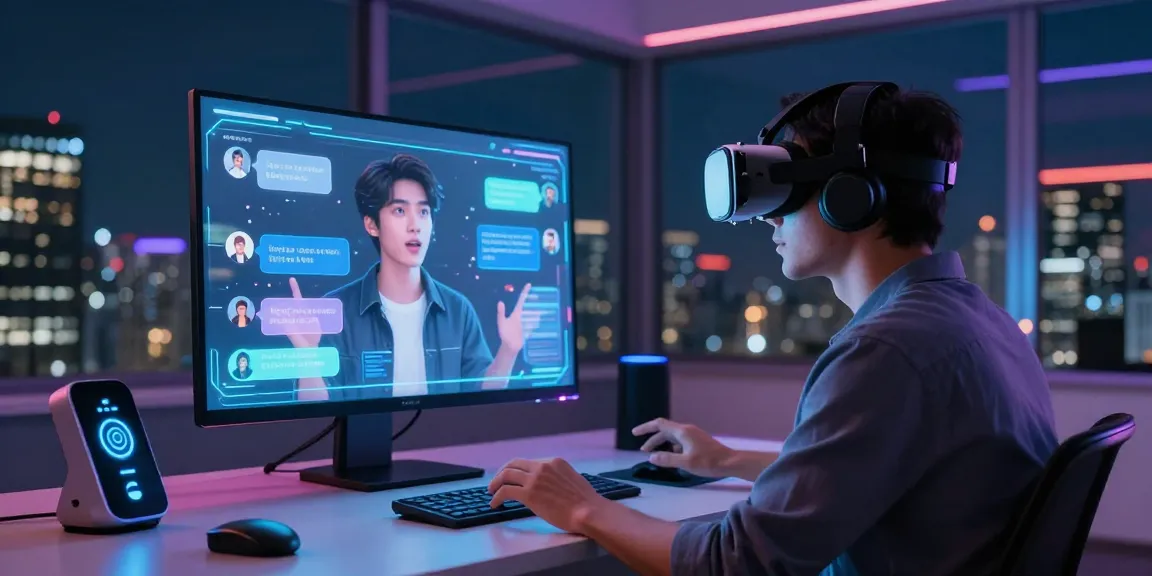
Understanding AR Glasses: The Evolution and Current Trends
Augmented Reality (AR) glasses have emerged as a transformative technology, providing immersive experiences that blend digital information with the real world. As we approach 2026, the evolution of AR glasses continues to advance, driven by rapid technological progress and increasing consumer interest. These devices have matured from mere concepts into practical tools that enhance daily activities across various sectors. When exploring options, AR glasses offer comprehensive insights into the latest models and trends available in the market today.
What are AR glasses?
AR glasses are wearable devices that overlay digital content onto the physical environment. Equipped with displays, cameras, and sensors, they allow users to interact with both the digital and physical worlds simultaneously. Unlike Virtual Reality (VR), which immerses users in a completely digital environment, AR enriches the real world by projecting relevant information, graphics, and animations directly into the user’s field of vision.
Brief history of AR technology
The concept of augmented reality dates back to the 1960s when Ivan Sutherland developed the first head-mounted display system. However, it wasn’t until the early 2000s that AR technology began to evolve significantly, thanks to advancements in mobile computing and graphics rendering. The introduction of smartphones equipped with powerful cameras and sensors gave rise to applications like Pokémon GO in 2016, which showcased AR’s potential to a broader audience. Throughout the following years, major tech companies like Google, Microsoft, and Apple entered the AR space, pushing the boundaries of usability and design.
Current trends in AR glasses for 2026
- Enhanced User Interfaces: Expect AR glasses to feature more intuitive interfaces, including voice commands and gesture recognition that simplify interactions.
- Integration with AI: Artificial intelligence will play a crucial role in transforming AR glasses into smart devices that can learn user preferences and provide tailored experiences.
- Improved Display Technologies: As display technologies advance, AR glasses will offer higher resolutions, reduced latency, and better field-of-view, making them more immersive.
- Fashion and Wearability: Designers are focusing on making AR glasses more stylish and comfortable, encouraging broader acceptance among consumers.
Top AR Glasses to Watch in 2026
Comparison of leading AR glasses brands
The AR glasses market is becoming increasingly competitive, with several brands vying for consumer attention. Notable players include Microsoft with its HoloLens, Google’s Glass Enterprise Edition, and newer entrants like Vitz and Ray-Ban’s Meta AI glasses. Each brand offers unique features catering to different user needs, whether for gaming, professional applications, or casual use.
Key features to look for in 2026
- Battery Life: Opt for models that provide extended usage without frequent recharging. A minimum of 8-10 hours is becoming the standard.
- Field of View: Wider fields of view enhance immersion. Look for models offering at least a 50-degree field of view.
- Connectivity: Seamless connectivity with smartphones and other devices is essential. Ensure the glasses support Bluetooth and Wi-Fi.
- Comfort and Design: Lightweight designs with adjustable components are important for prolonged use.
User reviews and opinions on top models
User feedback remains a critical factor in the success of AR glasses. Early adopters often highlight the need for better battery life and comfort, while others praise innovative features that enhance user experiences. Brands that actively incorporate user feedback into their product development are likely to lead the market in the coming years.
Applications of AR Glasses in Various Industries
Healthcare and AR glasses transformation
The healthcare sector stands to gain immensely from AR glasses, which can enhance surgical precision and provide real-time data during procedures. For instance, AR can overlay critical patient information directly in the surgeon’s field of view, aiding decision-making in high-stakes environments.
AR glasses in education and training
In educational settings, AR glasses can facilitate interactive learning experiences. By projecting educational materials onto real-world environments, students can engage more effectively with the content. Training programs, especially in complex fields like aviation and medicine, benefit greatly from simulation environments enhanced by AR.
Impact on retail and consumer experiences
Retailers are adopting AR glasses to create immersive shopping experiences. Customers can try on products virtually, visualize furniture in their own homes, or interact with 3D models online, thereby reducing returns and enhancing customer satisfaction.
Challenges and Considerations When Choosing AR Glasses
Common misconceptions about AR technology
Despite its potential, misconceptions about AR glasses persist. Many believe AR glasses are solely for gaming or that they are too expensive for regular use. However, as technology advances and production costs decrease, AR glasses are becoming increasingly accessible to a wider audience.
Privacy and security concerns with AR glasses
As AR technology evolves, so do concerns about privacy and security. With built-in cameras, AR glasses can inadvertently capture private moments. Manufacturers need to prioritize user privacy through robust data protection measures and transparent policies.
Future challenges in AR as a consumer technology
While the future of AR glasses looks promising, challenges remain. These include the need for public education about AR technology, addressing privacy concerns, and ensuring that glasses are not only functional but also fashionable to promote widespread adoption.
Looking Ahead: The Future of AR Glasses Beyond 2026
Predicted advancements in AR technology
Looking beyond 2026, we can expect AR glasses to evolve into multifunctional devices that integrate seamlessly with other technologies, such as smart home devices and wearable health monitors. Potential advancements may allow AR glasses to monitor health metrics and provide real-time feedback to users.
How AR glasses could change everyday life
AR glasses have the potential to fundamentally change how we interact with the world. They could assist with navigation, enhance learning experiences, and even provide instant access to information about our surroundings, making everyday tasks more efficient and intuitive.
Industry expert insights on emerging trends
Experts predict that collaboration between tech companies and software developers will drive innovation in AR. As more applications are developed across diverse sectors, the appeal and functionality of AR glasses will continue to grow, leading to their integration into everyday life.
What are the benefits of using AR glasses?
AR glasses can significantly enhance productivity and engagement. By allowing users to multitask and access information hands-free, they make everyday activities more efficient. Additionally, they foster immersive experiences that can lead to deeper learning and understanding in various fields.
How do AR glasses work with smartphones?
Most AR glasses can connect to smartphones via Bluetooth or Wi-Fi. This connectivity allows users to access applications and content stored on their devices, enabling a rich and interactive experience that combines both AR and smartphone functionalities.
Are AR glasses worth the investment for consumers?
As AR technology continues to advance, the value proposition of AR glasses is expected to increase. For consumers interested in gaming, education, or professional development, investing in AR glasses can provide significant advantages and enhance overall experiences.
What industries benefit the most from AR glasses?
Industries such as healthcare, education, retail, and gaming are set to benefit the most from AR glasses. These sectors are leveraging the technology to enhance training, improve user engagement, and deliver innovative solutions.
What should I look for when buying AR glasses?
When selecting AR glasses, consider factors such as battery life, display quality, comfort, and connectivity features. Researching user reviews and brand reputation can also guide you in making a well-informed decision that meets your specific needs and preferences.