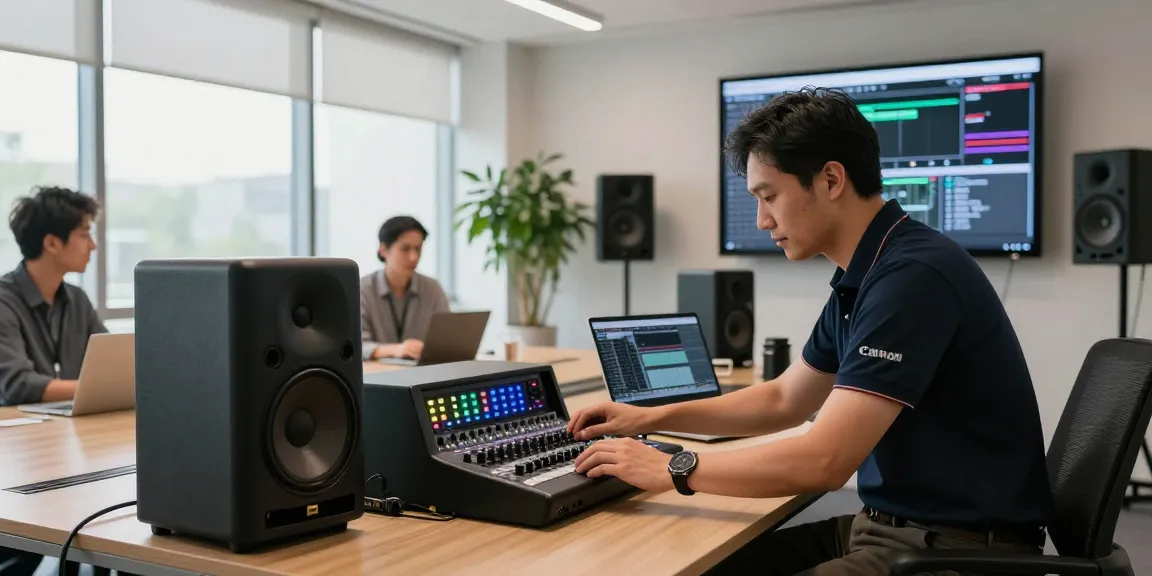
Understanding Sound System Installation
In today’s fast-paced business environment, effective communication is essential. This is where sound system installation plays a critical role, transforming ordinary spaces into vibrant environments where clarity and engagement flourish. Whether you’re organizing a corporate conference, a community event, or setting up a cozy café, the right sound system can significantly enhance the atmosphere and improve the audience's experience. At Definition Audio Visual, we specialize in providing solutions tailored specifically to your needs, ensuring a top-notch auditory experience that aligns with your vision.
What is Sound System Installation?
Sound system installation refers to the design, configuration, and installation of audio equipment in various settings, such as commercial buildings, venues, and even homes. It involves selecting the appropriate components—such as speakers, amplifiers, microphones, and control systems—and ensuring they are optimally positioned and integrated for the best sound quality. Effective installations contribute significantly to events, improving audio clarity and reducing issues like feedback or distortion.
Key Components of Professional Sound Systems
- Speakers: The backbone of any sound system, speakers come in various types including passive, active, and line array systems, each serving different purposes depending on the venue size.
- Microphones: Essential for capturing sound, these can be wireless or wired, designed for specific applications such as public speaking or live music.
- Amplifiers: Amplifiers boost audio signals to ensure that sound is distributed evenly across the venue without distortion.
- Control Systems: These facilitate the operation of the entire system, integrating all components and allowing for adjustments in sound levels, equalization, and routing audio to various outputs.
- Cables and Connectors: High-quality cabling is vital for maintaining sound integrity, preventing interference and signal loss.
Benefits of a Well-Designed Sound System
A well-designed sound system offers numerous benefits, including:
- Improved Communication: Clear audio aids in conveying messages effectively, crucial for businesses and organizations during presentations or meetings.
- Enhanced Atmosphere: Quality sound enriches the environment, making it more inviting for customers or attendees.
- Increased Engagement: Whether in a classroom or a concert hall, well-implemented audio solutions can capture attention and enhance the experience for listeners.
- Adaptability: Modern systems can often be tailored to various needs, allowing easy transitions between different types of events or uses.
Choosing the Right Sound System for Your Venue
Selecting the appropriate sound system requires careful consideration, starting with an assessment of your venue's specific needs. When exploring options, sound system installation provides comprehensive insights that can guide your choices effectively.
Assessing Venue Size and Acoustic Needs
The size and acoustics of your venue play a significant role in determining which sound system is appropriate. Larger venues may require more powerful amplifiers and multiple speaker placements to ensure even sound coverage. Conversely, smaller spaces might only need a basic setup, focusing on clarity rather than volume. Consulting with professionals can ensure that you fully understand the acoustic characteristics of your space, including factors like reverberation and echo that can impact sound quality.
Best Practices for Selecting Equipment
When selecting equipment, consider the following best practices:
- Identify Your Needs: Whether for speeches, music, or announcements, clarify the main purpose of your sound system.
- Research Brands: Opt for trusted manufacturers known for reliability and quality in commercial installations.
- Consult Experts: Engage with professional audio visual teams to get insights into the latest technologies and solutions suited for your venue.
- Test Before You Buy: If possible, listen to equipment in action before making a purchase to ensure it meets your expectations.
Common Misconceptions About Sound Systems
Several misconceptions can lead businesses astray when choosing sound systems:
- One Size Fits All: Many assume that a single solution works for all venues, but each requires tailored components based on size, layout, and intended use.
- Quality Equals Cost: While it’s true that good sound systems can be an investment, cost-effective options can still provide excellent performance when chosen wisely.
- Simple Setups are Sufficient: Businesses often underestimate the complexity that can arise from inadequate systems; a more extensive setup can avoid many common pitfalls.
The Installation Process Explained
The installation process of a sound system involves multiple steps, ensuring each phase is executed proficiently for optimal performance.
Initial Consultation and Assessment
The first step in the installation process is a thorough consultation where AV specialists assess the venue to understand its unique characteristics and requirements. This phase often includes discussing your needs to deliver a solution that enhances functionality while staying within budget.
Installation Steps: What to Expect
Installation typically follows these steps:
- Design Plan: A detailed layout is created, specifying equipment placement and cabling routes.
- Installation: Technicians install the equipment, ensuring proper positioning for optimal sound distribution.
- Configuration: All systems are configured to work together seamlessly, including adjustments for acoustics and user preferences.
- Testing: A comprehensive test is conducted to ensure all components function properly, adjusting settings for the best performance.
Post-Installation Support and Maintenance
After installation, ongoing support is crucial. Many professional installation companies offer maintenance services to ensure that your sound system remains in peak condition. Regular checks can help prevent minor issues from becoming larger problems, ensuring consistent performance over time.
Real-World Applications of Sound Systems
Sound systems play a vital role across various industries, enhancing experiences and facilitating communication.
Case Studies: Successful Installations Across Industries
Consider these examples where tailored sound system installations made a significant impact:
- Corporate Events: At a recent conference requiring multiple breakout rooms, a bespoke sound installation ensured that each session was clearly audible, enabling seamless communication among participants.
- Educational Institutions: In a local school, the installation of a state-of-the-art PA system allowed for clear announcements and improved learning experiences during presentations.
- Hospitality Venues: A popular restaurant upgraded its sound system to enhance the dining experience, allowing background music to blend seamlessly with conversations, leading to increased customer satisfaction.
Impact of Sound Systems on Customer Experience
The impact of sound systems on customer experience is profound. A well-designed sound system can create an inviting atmosphere, encourage patron engagement, and improve overall satisfaction, leading to repeat business. Customers are more likely to return to venues where audio quality complements their experience, making sound systems a crucial investment.
Innovative Uses of Sound Systems in Modern Businesses
Businesses are increasingly leveraging sound systems in innovative ways, such as:
- Interactive Installations: Using sound systems as part of interactive displays or presentations that engage customers and make the experience more memorable.
- Ambient Soundscapes: Crafting specific soundscapes in retail environments to influence shopping behavior and enhance brand perception.
- Live Streaming Events: Integrating high-quality audio with video streaming to reach audiences virtually, expanding engagement opportunities.
Future Trends in Sound System Installation
The future of sound system installations looks promising, driven by technological advancement and evolving consumer needs.
Technological Advancements in Audio Equipment
Emerging technologies are set to revolutionize sound systems, including:
- Wireless Technologies: Continued improvements in wireless sound systems facilitate easier setup and more flexible designs, reducing clutter from cables.
- Smart Integrations: Increasingly, sound systems are incorporating smart technology, allowing for voice-activated features and seamless integration with other AV systems.
- Enhanced Sound Processing: Advanced algorithms for sound processing are improving audio quality and adaptability within various environments.
Predictions for 2026 and Beyond
By 2026, we can expect to see enhanced capabilities in sound systems that are not only more powerful but also more intuitive and customizable to specific venue needs. The move towards immersive audio experiences, such as 3D sound, will likely redefine how we interact with sound in both public and private spaces.
Preparing Your Business for Upcoming Trends
To prepare for these upcoming trends, businesses should:
- Stay Informed: Regularly update knowledge on emerging technologies and best practices in sound system installations.
- Invest in Training: Ensure staff are trained to operate and troubleshoot new audio technologies effectively.
- Consult with Experts: Continual collaboration with AV professionals can offer insights into what systems will best meet future needs.
What are the costs associated with sound system installation?
The costs involved in sound system installation can vary significantly based on the type of system chosen, the complexity of the project, and the venue size. It’s advisable to get a detailed quote from AV specialists that encompasses all aspects of the installation process.
How long does the installation process typically take?
The installation timeframe can range from a few hours for simple setups to several days for more complex installations involving multiple components. Each project should be assessed individually to provide an accurate estimate.
Can sound systems be customized for specific needs?
Absolutely! Sound systems are often customized to cater to specific venue requirements, ensuring that all audio needs are met effectively, enhancing both usability and overall sound quality.
What maintenance is required after installation?
Post-installation maintenance typically includes regular check-ups to assess system performance, software updates where applicable, and cleaning of components to ensure longevity and optimal performance.
How do sound systems enhance business communication?
Enhanced sound systems facilitate clearer communication by reducing misunderstandings and ensuring that messages reach all intended audiences effectively. This is especially important in large venues where sound clarity can impact engagement and information retention.