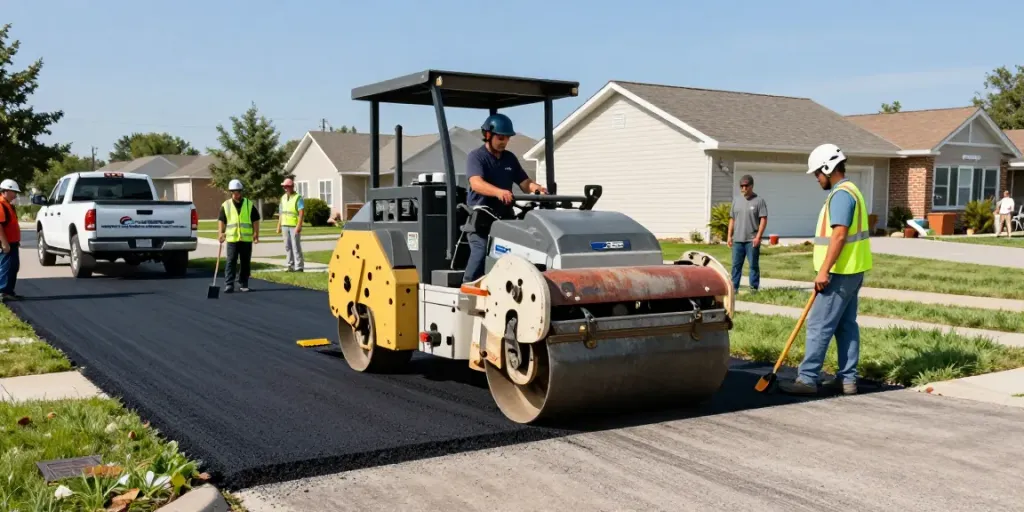
Understanding the Paving Industry Landscape in Edmonton
The paving industry in Edmonton is a dynamic sector characterized by ongoing changes in technology, regulations, and market demands. With the city experiencing considerable growth, the need for quality asphalt paving has never been higher. From residential driveways to commercial parking lots, the role of a reliable paving contractor is pivotal. When exploring options, this Edmonton paving contractor can provide comprehensive insights into making the right choice for your project.
Current Trends in Asphalt Paving
In recent years, asphalt paving has evolved significantly due to technological advancements and environmental considerations. One major trend is the increasing use of recycled asphalt pavement (RAP), which not only reduces construction costs but also lessens the environmental impact. The incorporation of warm-mix asphalt technology is another trend that allows for reduced emissions during the paving process, making it a more eco-friendly alternative.
Emerging Technologies for Paving Contractors
Emerging technologies are reshaping the paving landscape. Drones are being used for surveying and mapping, enabling contractors to deliver more accurate estimates and project plans. Additionally, the adoption of 3D paving control technology helps ensure precise material application, resulting in smoother finishes and reducing material waste. These advancements not only improve efficiency but also enhance the overall quality of paving projects.
Key Players in the Edmonton Paving Market
Edmonton's paving market features several key players, each offering unique services and expertise. Local companies like Park Paving and Centerline Paving have established reputations for quality workmanship and customer service. Additionally, newer entrants continue to emerge, providing competitive pricing and innovative solutions to meet growing market demands.
Choosing the Right Paving Contractor
Choosing the right contractor can make or break your paving project. It’s essential to do thorough research and ask the right questions. Start by checking credentials, ensuring that the contractor has appropriate licensing and insurance. Customer reviews and testimonials can provide insights into their reliability and workmanship quality.
What to Look for in This Edmonton Paving Contractor
When selecting a paving contractor in Edmonton, consider the following factors:
- Experience: Look for a contractor with a proven track record in the type of paving project you need.
- Portfolio: Review previous work to assess quality and craftsmanship.
- References: Speaking with past clients can give you a better understanding of the contractor's capabilities.
- Warranty: A reputable contractor will offer warranties on both materials and workmanship.
Common Pitfalls and How to Avoid Them
One common pitfall is falling for rock-bottom pricing without understanding the quality of materials being used. Cheaper options may save money upfront but can lead to costly repairs down the line. To avoid this, always ensure detailed quotes that outline materials, labor, and project timelines. Additionally, be wary of contractors who pressure you into making quick decisions.
Client Testimonials and Case Studies
Reading client testimonials and looking at case studies can provide valuable insights into a contractor's reliability. Companies that share detailed case studies about their completed projects demonstrate confidence in their work. For example, a case study that outlines a large-scale commercial project can illustrate a contractor's ability to manage complexity and deliver on time.
Essential Techniques for Quality Asphalt Installation
Achieving a high-quality asphalt installation involves following best practices from preparation to application. Proper preparation is essential to ensure longevity and performance of the asphalt surface.
Best Practices for Asphalt Preparation and Application
The preparation process includes grading the site, compacting the subgrade, and properly laying a gravel base. During the asphalt application, temperature control is crucial for optimal adhesion and performance. It is recommended to work during cooler times of the day to avoid premature cooling of the asphalt material.
Impact of Weather on Paving Projects
Weather significantly influences paving projects. Rain can disrupt the application process and lead to poor adhesion, while extreme heat can cause asphalt to become too soft and susceptible to damage. Contractors should monitor weather forecasts closely and plan projects accordingly to minimize risks associated with adverse conditions.
Maintaining Equipment for Optimal Performance
Regular maintenance of paving equipment is critical for optimal performance and safety. This includes routine checks on machinery, replacing worn-out parts, and ensuring that all equipment is calibrated correctly. Well-maintained equipment not only enhances efficiency but also contributes to a safer working environment.
Cost Considerations and Budgeting for Paving Projects
Understanding the cost structure of paving projects is essential for effective budgeting. The expenses can vary widely based on project size, materials used, and site conditions.
Understanding Pricing Structures in the Paving Industry
Pricing in the paving industry generally includes several components: materials, labor, and equipment usage. On average, homeowners can expect to pay between $2 to $6 per square foot for asphalt paving. It’s important to ask for detailed quotes that break down these components for clarity.
Cost-Effective Solutions for Homeowners
For homeowners on a budget, several cost-effective solutions can be considered:
- Sealcoating: Regular sealcoating helps extend the life of asphalt by protecting it from the elements.
- Repairs: Addressing minor cracks and potholes promptly can prevent more extensive damage later.
- Recycling: Utilizing recycled materials can significantly lower costs while being environmentally friendly.
Long-term Investment Benefits of Quality Paving
Investing in quality paving can lead to long-term financial benefits. Well-installed asphalt surfaces can last 15-20 years with proper maintenance, significantly reducing the need for frequent repairs or replacements. Moreover, quality paving enhances property value and curb appeal, making it an essential aspect of property management.
Future Outlook for the Paving Industry in Edmonton
The future of the paving industry in Edmonton looks promising, with ongoing advancements and changing consumer preferences shaping the market.
Trends for 2026 and Beyond
Looking ahead, the industry is expected to embrace more sustainable practices and materials. The use of porous asphalt, which allows water to seep through, is gaining traction due to its ability to reduce runoff and promote groundwater recharge. Additionally, advancements in smart paving technology could revolutionize traffic management in urban settings.
Environmental Considerations and Sustainable Practices
As environmental concerns continue to grow, paving contractors are increasingly adopting sustainable practices. This includes the use of environmentally friendly materials, energy-efficient machinery, and recycling old asphalt. Implementing these practices not only meets regulatory requirements but also appeals to an eco-conscious consumer base.
How Technology Will Shape Future Paving Projects
In the coming years, technology will play a crucial role in enhancing efficiency and safety in paving projects. Innovations such as autonomous paving machines and real-time project management software can streamline operations, reduce costs, and improve project timelines. Contractors who adapt to these technologies will likely gain a competitive edge.
What are the typical driveway paving costs in Edmonton?
In Edmonton, the cost to pave a typical residential driveway ranges from $2500 to $5000, depending on the size and complexity of the project. Factors such as site preparation and asphalt thickness can further influence pricing.
How long does asphalt last before needing replacement?
Asphalt driveways can last anywhere from 15 to 30 years, depending largely on the quality of installation and maintenance. Regular sealing and timely repairs can extend the life of asphalt significantly.
What factors influence the cost of paving?
Key factors that influence paving costs include labor, materials, project size, and site conditions. Additionally, geographical location and seasonal demand can also play a significant role in pricing.
Are there eco-friendly paving options available?
Yes, there are several eco-friendly paving options available, including permeable pavers and the use of recycled asphalt. These options not only help in reducing environmental impact but can also provide practical benefits such as managing stormwater runoff.
How can I maintain my driveway after paving?
To maintain your newly paved driveway, it is advisable to seal the surface every 2 to 3 years, keep it clean from debris, and repair cracks immediately to prevent water infiltration and further damage.