Understanding the Foundations of Dance at kineticsynergydancecompany.com
Dance is not just a physical art form; it encompasses history, culture, and personal expression. At kineticsynergydancecompany.com, we strive to create a nurturing environment that cultivates these foundational aspects of dance. Understanding the evolution of dance techniques, movement principles, and the various styles available is essential for any aspiring dancer. This section will delve into the rich history of dance, explore core principles of movement and posture, and outline the diverse dance styles offered to members of our community.
History and Evolution of Dance Techniques
The history of dance is vast, spanning centuries and cultures. From traditional folk dances to contemporary ballet, the evolution of dance techniques reflects societal changes and technological advancements. Early dance forms were often used in religious ceremonies and community celebrations, serving as a means of storytelling and cultural preservation. Over time, dance evolved into a performative art form, with the emergence of classical ballet in the 15th century marking a significant turning point.
In the modern era, the influence of jazz, hip-hop, and even street dance has added different dimensions to the art of dance. By studying these various techniques, dancers can gain a deeper appreciation of their craft and explore how historical contexts shape current dance forms. Understanding this evolution is crucial for dancers looking to innovate and create their unique styles.
Core Principles of Movement and Posture
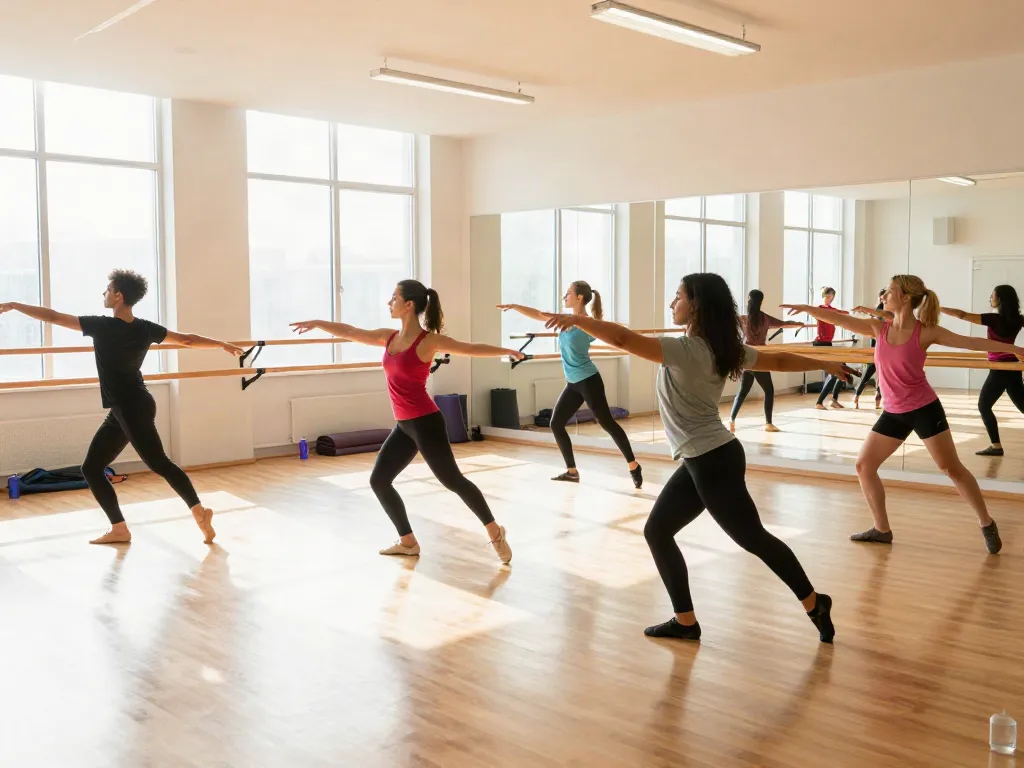
At the heart of every dance style lies essential principles of movement and posture. Dancers must develop a strong physical awareness to execute movements effectively and safely. Key principles include alignment, balance, flexibility, and rhythm.
- Alignment: Ensuring that the body is correctly positioned helps prevent injuries and enhances performance.
- Balance: Mastering balance is critical for executing turns and leaps.
- Flexibility: A flexible body allows dancers to achieve a wider range of motion.
- Rhythm: Understanding and feeling the music helps dancers synchronize movements with musical elements.
Dancers at kineticsynergydancecompany.com will engage in exercises that strengthen these principles, ultimately improving their overall technique and performance capabilities.
Types of Dance Styles Offered
One of the unique aspects of dancing at kineticsynergydancecompany.com is the variety of dance styles available. Each style offers different challenges and rewards, catering to a diverse range of interests and skill levels. Here are some styles offered:
- Ballet: A classical form that emphasizes grace, technique, and precise movements.
- Jazz: A vibrant style characterized by energetic movements and improvisation.
- Hip-Hop: A street-savvy dance form that includes breaking, locking, and popping.
- Contemporary: A fusion of styles that encourages expressive movements and emotional storytelling.
- Tap: A rhythmic form that focuses on creating sound through footwork.
Dancers can choose classes based on personal preference or goals, allowing them to explore multiple styles and find their passion.
Building Your Dance Skills: Training Essentials
Improving dance skills requires dedication, practice, and the right training methods. The journey of mastering any dance form is paved with discipline and a well-structured practice routine. This section will cover essential training strategies that will help dancers enhance their skills, including setting a regular practice schedule, the significance of warm-ups and cool-downs, and utilizing online resources for continuous improvement.
Setting Up a Regular Practice Routine
Consistency is key in dance training. Establishing a regular practice routine not only builds muscle memory but also allows for gradual improvement. Dancers should aim for a balance between technique-focused practices and exploratory sessions where they can freely express themselves. Scheduling specific times for practice, along with setting short-term and long-term goals, will keep motivation high and progress on track.
For beginners, starting with short daily sessions and gradually increasing their duration can be effective. Advanced dancers may benefit from a mix of solo practice and partnered techniques to fine-tune their skills.
Importance of Warm-ups and Cool-downs
Warm-ups are crucial for preparing the body for a dance session. They help increase blood flow to the muscles, improving flexibility and reducing the risk of injury. Similarly, cool-downs are essential for gradually lowering the heart rate and stretching the muscles after intense movement.
A proper warm-up may include dynamic stretches and routines specific to the dance style being practiced. Cool-downs should focus on static stretching to enhance flexibility and promote muscle recovery.
Utilizing Online Resources for Improvement
Today, many online resources can complement in-person dance classes. From tutorial videos to interactive workshops, dancers can enhance their skills from the comfort of their own homes. Social media platforms and online dance communities are also valuable for networking and gathering feedback on performances.
Many dance schools, including kineticsynergydancecompany.com, provide online classes that allow members to experience professional coaching while accommodating their schedules. Taking advantage of these resources can greatly enhance a dancer's learning experience.
Joining the Community: Benefits of Dance Classes
Dancing is as much about community as it is about personal expression. Joining a dance class provides numerous benefits beyond physical fitness. This section will explore how engaging with fellow dancers, participating in workshops, and seeking mentorship opportunities can enrich the dance experience.
Networking with Fellow Dancers
Building relationships with fellow dancers is one of the most rewarding aspects of dance classes. By sharing experiences, dancers can learn from one another and grow together. Networking also opens doors to future collaboration opportunities, be it in performances or choreography.
Through group classes, dancers can develop friendships that go beyond the studio, fostering a supportive environment where everyone feels motivated and inspired.
Participating in Workshops and Events
Workshops are a fantastic way for dancers to expand their skill set and learn from professionals in the industry. Participating in such events allows dancers to experience various styles, techniques, and teaching methods.
Furthermore, performance events showcase the hard work and talent of dancers, providing them with invaluable stage experience and the chance to gain visibility in the dance community.
Finding Mentorship Opportunities
Mentorship in dance can provide guidance and knowledge that accelerates development. Whether it’s a teacher providing feedback or a peer offering insight, mentorship helps dancers navigate their growth and artistic journey.
At kineticsynergydancecompany.com, opportunities for mentorship are encouraged, connecting students with experienced dancers and instructors who can provide support and advice based on their experiences.
Performance Preparation: The Road to the Stage
Preparing for a performance is a multifaceted process involving training, mental preparation, and logistical planning. This section will guide dancers through the crucial steps of auditioning, selecting suitable outfits for performances, and managing stage fright.
Audition Techniques and Best Practices
Auditioning can be a daunting experience, but with the right techniques, dancers can present their best selves. Preparation begins with understanding the audition requirements and selecting the appropriate material to showcase their skills.
Practicing performance pieces in front of peers can help singers build confidence and receive constructive feedback. Arriving at auditions with a positive attitude and being open to feedback is essential for success.
Choosing the Right Outfits for Performances
Costume selection is a critical component of preparing for a performance. Dancers need to choose outfits that not only fit well but also enhance the overall aesthetic of their performance. Considerations include:
- Style: The costume should align with the dance style being presented.
- Comfort: Dancers must feel comfortable executing movements without restriction.
- Fit: An outfit should fit well to avoid wardrobe malfunctions during performances.
Ultimately, the chosen outfits contribute to the dancer’s confidence and the audience's perception of the performance.
Managing Stage Fright and Building Confidence
Stage fright is a common challenge for many performers. Managing nerves involves mental preparation and practical strategies, such as visualization and breathing exercises.
Building confidence can also be achieved through regular practice and performance exposure. The more familiar dancers become with performing, the more comfortable they will feel on stage.
At kineticsynergydancecompany.com, we emphasize creating a supportive atmosphere where dancers can share their anxieties and seek help from peers and instructors alike.
The Future of Dance: Trends and Innovations in 2026
As we look towards the future of dance, it's essential to remain informed about emerging trends and innovations shaping the industry. This section will explore how technology is integrated into dance practices, new genres, and the influence of virtual classes on dance education.
Integrating Technology into Dance Practice
In recent years, technology has dramatically transformed dance education and performance. Tools such as video analysis apps allow dancers to review their technique and receive instant feedback. Wearable technology is also making its way into dance studios, helping dancers monitor their physical performance metrics.
Utilizing technology not only enhances training but also opens new avenues for creativity and expression within dance.
Exploring New Genres and Fusions
The dance world is continuously evolving, with new genres and fusion styles emerging regularly. Dancers are now blending traditional forms with contemporary trends, leading to innovative performances that push the boundaries of what dance can be.
Staying current with these developments allows dancers to explore their creativity and diversify their skills, making them well-rounded performers.
Impact of Virtual Classes on Dance Education
The shift towards virtual classes has become a significant aspect of dance education, especially in recent years. Online platforms provide access to a wider range of classes and instructors, enabling dancers to learn from the comfort of their homes.
Moreover, virtual classes have made dance more accessible to diverse audiences, breaking down geographical barriers and allowing for a more inclusive dance community.
Conclusion
Engaging with the world of dance at kineticsynergydancecompany.com offers enriching experiences, from mastering techniques to preparing for performances. The combined focus on community, training, and creativity ensures that dancers are not only challenged but also supported in their artistic journeys. As we continue to adapt to changing landscapes in the industry, dancers will have the opportunity to explore innovative trends, enhancing their skills while also enjoying the transformative power of dance.