Understanding AVP Wine Collective's Role in the Industry
The AVP Wine Collective represents a significant evolution in the winemaking landscape, offering an innovative approach that combines community, collaboration, and sustainability. Nestled in Portland, this unique facility not only caters to established vintners but also opens doors for emerging winemakers to flourish. As the wine industry grapples with changing consumer preferences and environmental concerns, collectives like AVP play a pivotal role in shaping the future of winemaking. For those looking to dive deeper, avpwinecollective.com serves as a comprehensive resource for understanding these dynamics.
What is AVP Wine Collective?
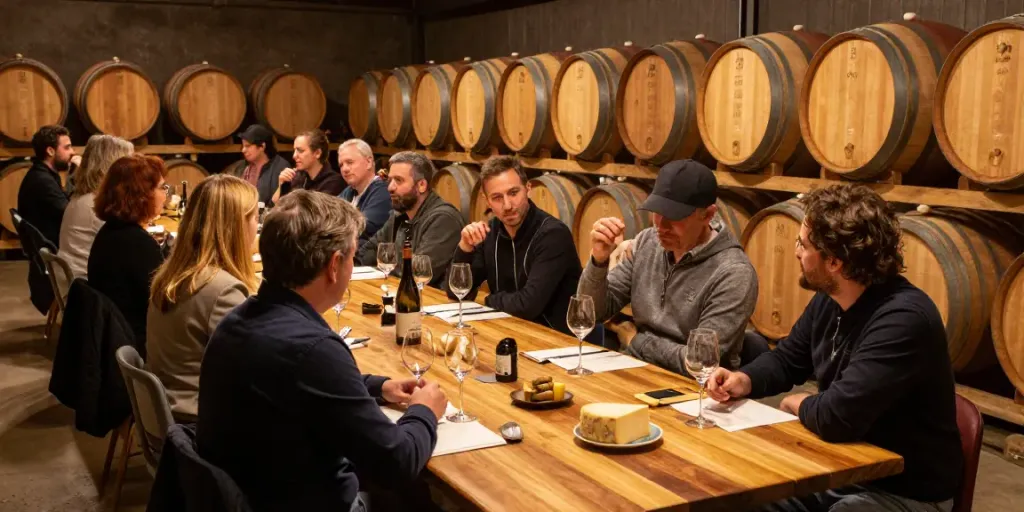
Founded by Carrie Wynkoop, the AVP Wine Collective is designed to support both seasoned and aspiring winemakers in their craft. The collective operates as a custom crush facility that provides all the necessary equipment and resources for winemaking, from grape processing to bottling. This collaborative environment encourages creativity and innovation within the industry, creating a space where small wineries can share expertise and learn from one another.
The Importance of Collective Winemaking
Collective winemaking is not merely an operational model; it represents a paradigm shift towards collaboration in a traditionally competitive industry. By pooling resources, knowledge, and skills, winemaking collectives can enhance product quality while reducing individual costs. This approach also allows members to experiment with smaller batches, facilitating creativity and innovation that may not be feasible for larger operations.
Common Misconceptions About Wine Collectives
Despite the benefits, misconceptions about wine collectives persist. Many individuals mistakenly believe that collective winemaking means compromised quality or lack of individuality. However, the reality is quite the opposite. Collectives foster diversity and innovation, enabling members to retain their unique identities while benefitting from shared resources.
Common Mistakes New Winemakers Make
Overlooking Quality Control Procedures
One of the most significant pitfalls for new winemakers is neglecting quality control. Establishing rigorous quality control measures from the outset is essential. New entrants often assume that passion alone will suffice, but consistency in quality is what ultimately builds a brand’s reputation.
Neglecting Marketing and Branding Strategies
An exquisite wine can go unnoticed without effective marketing. New winemakers frequently underestimate the importance of branding and marketing strategies. In today's digital age, having a robust online presence and engaging storytelling can distinguish a winery in a crowded market.
Failing to Build Community Connections
Winemaking is as much about community as it is about the product itself. New winemakers often isolate themselves, failing to network with peers. Engaging with local wine enthusiasts, participating in wine festivals, and collaborating with other businesses can significantly enhance visibility and foster loyalty.
Effective Strategies for Success in Winemaking
Adopting Sustainable Practices
Sustainability has become a cornerstone of modern winemaking. New winemakers should consider integrating eco-friendly practices into their operations. This includes using organic grapes, reducing water consumption, and optimizing energy use. Not only do sustainable practices appeal to environmentally conscious consumers, but they can also result in cost savings over time.
Leveraging Technology in Wine Production
The integration of technology into winemaking has revolutionized the industry. From precision viticulture using drones to advanced fermentation tracking, technology can streamline processes and enhance quality. By embracing technological advancements, winemakers can improve efficiency and product quality.
Networking with Other Winemakers
Building relationships within the winemaking community is vital. Networking provides opportunities for collaboration, knowledge sharing, and support. Establishing connections with other winemakers can lead to mentorship opportunities and partnerships that can bolster one's brand.
The Future of Wine Collectives in 2026
Trends in Consumer Preferences
As consumer preferences evolve, so does the wine industry. There is a growing demand for transparency in sourcing, quality, and sustainability. Wine collectives that prioritize these values are likely to thrive. Millennials and Gen Z consumers, in particular, are inclined towards brands that align with their values, making it crucial for wine collectives to adapt accordingly.
The Impact of Climate Change
Climate change poses significant challenges to the wine industry, affecting grape yields and quality. However, collectives can address these challenges through shared research and resources. By collaborating on climate resilience strategies, members can navigate these changes more effectively.
Emerging Technologies in Winemaking
The adoption of emerging technologies will significantly impact winemaking. Data analytics, artificial intelligence, and automation are set to transform how wine is produced, marketed, and distributed. Wine collectives that leverage these technologies will not only improve product consistency but also enhance operational efficiency.
How to Maximize Your Participation in AVP Wine Collective
Joining the Collective: Steps to Get Started
Participating in the AVP Wine Collective involves clear and concise steps. Prospective members should familiarize themselves with the application process, which typically includes providing a portfolio of their work, detailing their winemaking philosophy, and demonstrating their commitment to collaborative practices.
Utilizing Resources Offered by AVP Wine Collective
Members of the AVP Wine Collective have access to an array of resources designed to enhance their winemaking journey. This includes not only shared facilities but also educational workshops and networking events that can provide invaluable insights and learning opportunities.
Building a Personal Brand Within the Collective
Even within a collective environment, personal branding remains crucial. Winemakers should focus on creating a distinct narrative about their wines, which resonates with consumers. Effective storytelling and brand identity will help individual wines stand out, even within a collective’s diverse offerings.
What is the AVP Wine Collective's Vision for Growth?
The vision for growth within the AVP Wine Collective involves fostering a supportive ecosystem that encourages innovation and sustainability. The collective aims to expand its member base while maintaining high quality and ethical standards, ensuring that it remains a leader in the emerging trends of the wine industry.
How do Wine Collectives Foster Emerging Talent?
Wine collectives are invaluable in nurturing new talent. By providing mentorship opportunities, shared resources, and collaborative events, collectives create a breeding ground for innovation and excellence. Emerging winemakers benefit greatly from the support and knowledge of more experienced peers.
What Resources Are Available for New Winemakers?
AVP Wine Collective offers several resources tailored for new winemakers. These include access to production facilities, educational workshops, and mentorship programs. Additionally, the collective provides opportunities for networking, enabling new winemakers to connect with potential buyers and other industry professionals.